Final Prep and Painting
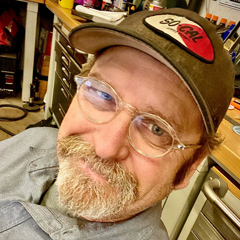
Mark SimpsonFinal preparation before painting a classic car is a meticulous and methodical process. We join Matt Roehrick of MCA Kustoms in Faribault, MN to explain the process involved in creating a show car finish. Start by masking and taping the jambs, hinges, and any trim that remains: use high-quality automotive masking tape and heavy-duty paper or plastic to protect glass, rubber seals, and chrome. Remove or mask areas that paint is not desired, tape painted jambs, ensuring a tight seal to avoid overspray creeping into door gaps.
Next, clean the entire surface thoroughly. Begin with a degreaser to remove oils and waxes, followed by an automotive surface cleaner or wax- and grease-remover applied with clean microfiber towels. Sand dust and residue with tack cloths and compressed air; pay special attention to seams and recessed areas. Inspect for imperfections and address with block sanding or light body filler where necessary, then re-clean areas after any sanding.
Apply sealer (bonding primer) in thin, even coats using a spray gun at recommended pressure and overlap. Allow appropriate flash time between coats, and sand lightly with fine-grit wet/dry paper (e.g., P400–P600) to smooth the sealer. Clean again with tack cloth and air to remove particles.
When ready, mix the urethane base coat per manufacturer ratios with reducer and activator. Apply multiple light base coats, wetting out the surface and maintaining consistent gun distance and technique to avoid runs. Allow proper flash off; inspect under good lighting for even color. Finish with several coats of clear coat urethane, maintaining wet edges and proper film build. After curing, wet-sand and polish the clear to achieve a showroom gloss. Remove masking carefully and let components fully cure before reassembly. Store chemicals safely and always work in a well-ventilated area. Roehrick explains, It’s important to take a methodical approach to the painting process and not to become alarmed if small imperfections occur during the painting process as it’s best to correct those during the color sanding and buffing process.
